





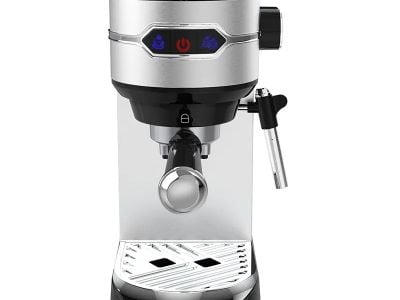
Kysyntä mukautetuista kahvinkeittimistä yksityismerkintää varten on kasvanut merkittävästi, kun yritykset pyrkivät tarjoamaan asiakkailleen ainutlaatuisia tuotteita. Näiden koneiden erityispiirteiden ymmärtäminen on ratkaisevan tärkeää B2B-ostajille, kuten ostopäälliköille ja tuotekehittäjille, jotka etsivät brändiänsä edustavia räätälöityjä ratkaisuja. Tässä artikkelissa käsitellään, miten valitaan oikea mukautettu kahvinkeitin, mitkä tekniset tiedot ovat keskeisiä, millaiset kustannustekijät vaikuttavat, mitkä ovat yleisimmät ongelmat ja miten niitä voidaan tehokkaasti ratkaista – kaiken kaikkiaan kattava opas informoituihin ostopäätöksiin.
Oikean mukautetun kahvinkeittimen valinta yksityismerkintää varten
Oikean mukautetun kahvinkeittimen valinta edellyttää brändisi ja kohdeyleisösi erityisvaatimusten ymmärtämistä. Aloita määrittelemällä tuotevisiosi: millaista kahvikokemusta haluat tarjota? Harkitse vaihtoehtoja, kuten kapselikahvinkeittimiä, espressokahvinkeittimiä tai tippukahvinkeittimiä, joista jokainen vastaa erilaisia kuluttajien mieltymyksiä. Esimerkiksi kapselikahvinkeittimet ovat suosittuja niiden kätevyyden ja monipuolisuuden vuoksi, kun taas espressokahvinkeittimet vievät kahvinystävät laadun ja makun perille. Seuraavaksi arvioi mahdollisten valmistajien, kuten Stelangin, mukauttamismahdollisuuksia. kahvimakinalle ja maitojahdintalaitteelle stelangilla on laaja kokemus räätälöityjen ratkaisujen luomisesta vuodesta 2003 lähtien. Etsi ominaisuuksia, kuten brändäysmahdollisuuksia, värimääriä ja käyttöliittymiä, joita voidaan muokata vastaamaan brändisi identiteettiä. Lisäksi varmista, että valmistajalla on kyky skaalata tuotantoa markkinoiden vaatimusten mukaan, sillä joustavuus voi vaikuttaa merkittävästi liiketoimintasi kasvuun.
Tärkeimmät tekniset tiedot, jotka on otettava huomioon private label -kahvinkeittimien valinnassa
Arvioitaessa private label -kahvinkeittimiä useita tärkeitä teknisiä tietoja on priorisoitava:
Brewing Capacity : Määritä, kuinka paljon kahvia kone pystyy tuottamaan tunnissa. Tämä on ratkaisevan tärkeää asiakaspysyvyyden varmistamiseksi, erityisesti suurikokoisissa paikoissa, kuten kahvilat tai toimistot.
Mitat ja muotoilu : Ota huomioon fyysinen tila, johon kone asennetaan. Varmista, että suunnittelu vastaa brändiäsi ja sopii tarkoitettuun sijaintiin.
Materiaalit ja rakennelmalatu : Käytetyt rakennusmateriaalit vaikuttavat kestävyyteen ja ulkoasuun. Ruostumaton teräs on usein suosittu sen kestävyyden ja helppouden takia puhdistaa.
Heating Time and Temperature Control : Nopea lämmitysaika ja tarkka lämpötilan säätö ovat ratkaisevan tärkeitä korkealaatuisen kahvin tuottamiseksi. Koneet, joissa on säädettäviä asetuksia, tarjoavat suurempaa joustavuutta erilaisten kahvilajien valmistamisessa.
Huoltokelpoisuus etsi koneita, jotka on suunniteltu helppokäyttöisiksi ja helposti puhdistettaviksi sekä huollettaviksi, sillä tämä parantaa käyttäjäkokemusta ja toiminnallista tehokkuutta.
Sertifikaatit varmista, että koneet täyttävät asiaankuuluvat turvallisuus- ja laatuvaatimukset, kuten ISO-, CE- tai ETL-todistukset, mikä voi parantaa markkinoitavuutta ja taata laadun.
Näiden teknisten tietojen ymmärtäminen auttaa varmistamaan, että valittu kahvimakinalla pinoittimella c kahvinkeittin täyttää sekä toiminnalliset vaatimukset että kuluttajien odotukset.
Kustannustekijöiden ymmärtäminen mukautettujen kahvinkeittimien erätilauksissa
Kun tilataan mukautettuja kahvinkeittimiä erässä, useita kustannustekijöitä vaikuttaa kokonaishintaan. Tärkeimmät tekijät ovat:
Alkuperäinen suunnittelu ja kehityskustannukset mukauttaminen vaatii usein alustavia kustannuksia suunnittelusta ja prototyypistä. Yksityiskohtainen keskustelu valmistajan kanssa voi auttaa sovittamaan odotukset ja budjetin.
Materiaalien valinta : Materiaalien valinta vaikuttaa merkittävästi hintoihin. Vaikka korkealaatuiset materiaalit voivat aiheuttaa korkeammat alustavat kustannukset, ne usein tarjoavat parempaa kestävyyttä ja asiakastyytyväisyyttä pitkällä aikavälillä.
Tuotannon määrä : Suuremmat tilausmäärät vähentävät yleensä kappalekohtaista kustannusta. On tärkeää tasapainottaa varaston tarvetta mahdollisen ylikulutuksen kanssa.
Merikuljetus ja logistiikka : Ota huomioon kuljetuskustannukset, erityisesti jos ostot tehdään kansainvälisiltä valmistajilta. Toimitusaikojen ja mahdollisten tullien ymmärtäminen auttaa budjetoinnissa.
Takuo ja palvelusopimukset : Varmista, että takuu- ja palveluvaihtoehdot sisällytetään hinnoittelurakenteeseen. Tämä voi vähentää tulevia korjauskustannuksia ja lisätä asiakkaiden luottamusta.
Tarkastelemalla näitä kustannustekijöitä huolellisesti ostajat voivat tehdä paremmin perusteltuja päätöksiä, jotka vastaavat heidän budjettiaan ja liiketoimintastrategiaansa.
Mitä tulisi tietää?
Ennen oston lopullista vahvistamista on otettava huomioon useita keskeisiä seikkoja:
NÄYTTEEN HYVÄKSYMINEN : Pyydä aina näyte ennen sarjatuotannon aloittamista. Tämä vaihe mahdollistaa koneen suorituskyvyn, suunnittelun ja käytettävyyden arvioinnin. Varmista, että näyte täyttää vaatimuksesi ja odotukset.
Laadunvalvontamenetelmät : Kysy valmistajan laatutakuutoimenpiteistä. Laatukontrolliprosessin ymmärtäminen auttaa varmistamaan, että tuotteet täyttävät johdonmukaisesti vaatimukset.
Läpimenoajat : Selvitä tuotanto- ja toimitusaikataulut. Myöhästymiset voivat vaikuttaa käynnistysaikatauluun, joten on tärkeää sisällyttää aikatauluun turvavara.
Mukauttamisen rajoitukset : Keskustele mahdollisesta mukauttamisesta. Joillakin valmistajilla voi olla rajoituksia, joten niiden tunteminen etukäteen auttaa tekemään realistisia suunnittelupäätöksiä.
Tekninen tuki : Harkitse teknisen tuen tasoa ostoksen jälkeen. Luotettava tukijärjestelmä on erinomainen apu ongelmien selvittämisessä ja huollossa.
Osoittamalla nämä tekijät ostajat voivat paremmin valmistautua menestyksekkaaseen kumppanuuteen valitun valmistajan kanssa.
Yleisiä ongelmia kahvinkeittimissä ja tehokkaita ratkaisuja
Vaikka kahvinkeittimet voivat laajentaa tuotevalikoimaanne, niillä on myös haasteita. Tässä ovat yleisimmät ongelmat ja niiden ratkaisut:
Epävakaat kahvinkeittotulokset : Tämä ongelma voi johtua epäasianmukaisesta lämpötilan säädöstä tai veden laadusta. Säännöllinen huolto ja suodatetun veden käyttö auttavat pitämään kahvinkeittotulokset vakaina.
Mekaaniset vioittumat : Usein esiintyvät viat voivat häiritä toimintaa. Kanssa työskenteleminen valmistajan kanssa, joka tarjoaa vankkoja takuita ja huoltotukea, vähentää pysähtymisaikoja.
Käyttöliittymän haasteet : Monimutkaiset käyttöliittymät voivat estää käyttäjiä. Harkitse kahvinkeittimiä, joissa on intuitiiviset ohjaimet ja selkeät ohjeet, jotta käyttäjäkokemus paranee.
Puhdistusvaikeudet : Vaikeasti puhdistettavat kahvinkeittimet voivat aiheuttaa hygieniatyöntekijöille ongelmia. Valitse mallit, joiden rakennetta on helppo avata komponenttien perusteelliseen puhdistukseen.
Toimitusketjun keskeytykset osien tai materiaalien saannin viivästymiset voivat vaikuttaa tuotantoon. Vahvan suhteen rakentaminen valmistajan kanssa ja varatoimenpiteiden suunnittelu voivat lieventää tätä riskiä.
Ymmärtämällä nämä yleisimmät ongelmat ja niiden ratkaisut ostajat voivat tehdä paremmin informoituja päätöksiä ja parantaa asiakastyytyväisyyttä.
Yhteenvetona voidaan todeta, että omaan brändiin mukautetun kahvinkeittimen valinta vaatii huolellista harkintaa teknisistä eritelmistä, kustannustekijöistä ja mahdollisista haasteista. Kokemukseen perustuvan valmistajan, kuten Stelangin, kanssa yhteistyössä kahvimakine ja muumoja yritykset voivat luoda brändiänsä vastaavia kahviratkaisuja, jotka varmistavat sekä laadun että suorituskyvyn.
Sisällysluettelo
- Oikean mukautetun kahvinkeittimen valinta yksityismerkintää varten
- Tärkeimmät tekniset tiedot, jotka on otettava huomioon private label -kahvinkeittimien valinnassa
- Kustannustekijöiden ymmärtäminen mukautettujen kahvinkeittimien erätilauksissa
- Mitä tulisi tietää?
- Yleisiä ongelmia kahvinkeittimissä ja tehokkaita ratkaisuja
