





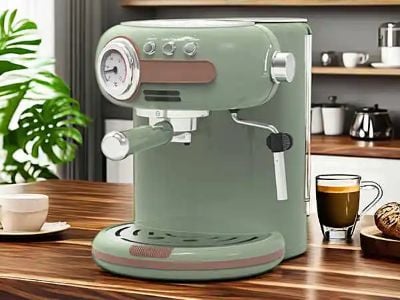
When considering how to work directly with a coffee maker factory, understanding the nuances of the manufacturing process, product specifications, and supplier evaluation is essential. B2B buyers, such as purchasing managers and engineers, often prioritize quality, customization options, and production capacity when sourcing coffee makers. This article will guide you on how to effectively engage with coffee maker manufacturers, ensuring you make informed decisions for your business needs
Where to Find Reliable Coffee Maker Suppliers for Bulk Orders
Finding reputable coffee maker suppliers requires research and due diligence. Start by exploring industry trade shows, which offer opportunities to connect with manufacturers and evaluate their product offerings firsthand. Online marketplaces and industry directories can also serve as valuable resources. Look for suppliers with a proven track record, such as Stelang Coffee Maker Manufacturer, which has been producing high-quality coffee machines since 2003 and serves over 1,200 customers across 80 countries
Request references from potential suppliers to assess their reliability and customer satisfaction levels. Additionally, verify their certifications, such as ISO, CE, and ETL, to ensure compliance with industry standards. An established supplier will typically provide comprehensive product catalogs, including specifications, material options, and customization capabilities, which are crucial for making informed bulk order decisions
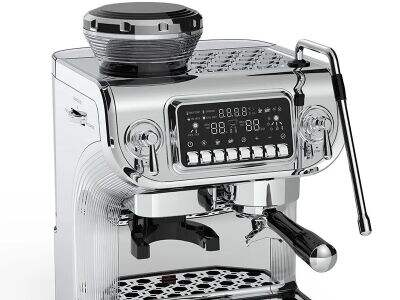
What Specifications to Evaluate When Sourcing Coffee Makers
When sourcing coffee makers, evaluating key specifications is vital to ensure the product meets your operational needs
Type of Coffee Maker: Determine whether you need capsule, espresso, or drip coffee makers, as each type serves different market demands
Technical Specifications: Look for details on dimensions, brewing capacity, and energy efficiency. For instance, consider the wattage for performance and energy consumption, which can affect operational costs
Material Quality: Assess the materials used in construction. Stainless steel is often preferred for its durability and ease of cleaning, while plastics may vary in quality
Customization Options: Understand the level of customization available. Some manufacturers may offer branding options or the ability to modify features, which can be beneficial for unique business needs
Certifications: Ensure that the coffee makers have relevant certifications, which indicate adherence to safety and quality standards. This is particularly important for commercial applications
By focusing on these specifications, you can select coffee makers that align with your operational requirements and brand standards
Installation Guidance for Commercial Coffee Maker Equipment
Proper installation of commercial coffee maker equipment is crucial to ensure optimal performance and longevity. Here are key considerations
Location and Space Requirements: Confirm that the installation area has adequate space for the coffee maker, including allowances for ventilation and access to electrical outlets
Utilities Connection: Verify that the necessary utilities, such as water supply and drainage, are available. Some espresso machines require direct plumbing, while others may use water reservoirs
Manufacturer Instructions: Always follow the manufacturer’s installation guidelines. This includes leveling the machine, connecting water lines, and ensuring proper electrical connections
Testing Before Use: After installation, conduct thorough testing to ensure all functions operate correctly before serving customers. This helps identify any installation issues that could affect performance
By adhering to these guidelines, you can avoid common installation pitfalls and ensure your coffee maker functions efficiently from day one
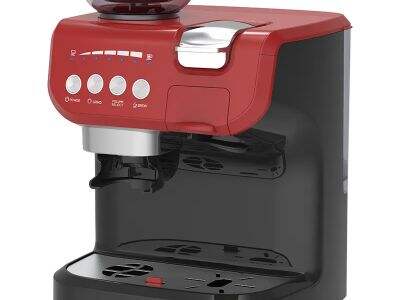
Common Problems with Coffee Makers and Effective Solutions
Coffee makers can encounter various issues, which can disrupt service and impact customer satisfaction. Here are some common problems and suggested solutions
Clogs in the System: Clogging can occur from coffee grounds or mineral buildup. Regular maintenance, including descaling and cleaning, is essential to prevent this
Inconsistent Brewing Temperature: If the machine does not maintain the correct brewing temperature, it may result in poor coffee quality. Check the thermostat settings and ensure that the heating element is functioning correctly
Leaking Water: Water leaks can stem from faulty seals or improper installation. Regularly inspect seals for wear and ensure that all connections are secure
Electrical Issues: If the coffee maker with frother fails to turn on, check the power supply and circuit breakers. If issues persist, consult the manufacturer’s service team for further assistance
By proactively addressing these common problems, you can enhance the reliability of your coffee machines and ensure consistent quality for your customers
Exploring Different Applications of Coffee Makers in Various Industries
Coffee makers serve diverse applications across various industries, including
Hospitality: Hotels and restaurants utilize high-capacity coffee machines to provide guests with quality beverages. Understanding the specific needs of this sector, such as speed and volume, is crucial for selecting appropriate models
Office Settings: Many businesses invest in coffee machines to enhance employee satisfaction. Here, ease of use and maintenance often take precedence, making automated machines favorable
Retail: Coffee shops and cafes rely on espresso machines to create signature beverages. Equipment that supports customization and speed is essential in this competitive environment
Healthcare: Hospitals and care facilities often use coffee makers to improve patient and staff experiences. Here, safety and sanitary standards play a significant role in selecting appropriate equipment
By recognizing the unique applications of coffee makers in various industries, buyers can better align their sourcing decisions with specific operational needs and customer expectations
FAQ
What should I consider when preparing an RFQ for coffee makers
When preparing a Request for Quotation (RFQ), include details such as the type of coffee maker and frother, specifications, required quantities, customization options, and delivery timelines
How can I ensure the quality of coffee makers before mass production
Request samples to evaluate the product's performance under actual operating conditions. This allows you to assess quality, functionality, and design before committing to a bulk order
What are common issues to watch for when sourcing coffee makers
Be vigilant about potential issues like inconsistent quality, lack of support from the manufacturer, and unclear specifications. Requesting samples and references can help mitigate these risks
Table of Contents
- Where to Find Reliable Coffee Maker Suppliers for Bulk Orders
- What Specifications to Evaluate When Sourcing Coffee Makers
- Installation Guidance for Commercial Coffee Maker Equipment
- Common Problems with Coffee Makers and Effective Solutions
- Exploring Different Applications of Coffee Makers in Various Industries
- FAQ
